7.2 and Reflective: The Day My Systems Ran But I Didn’t
What the Numbers Actually Said
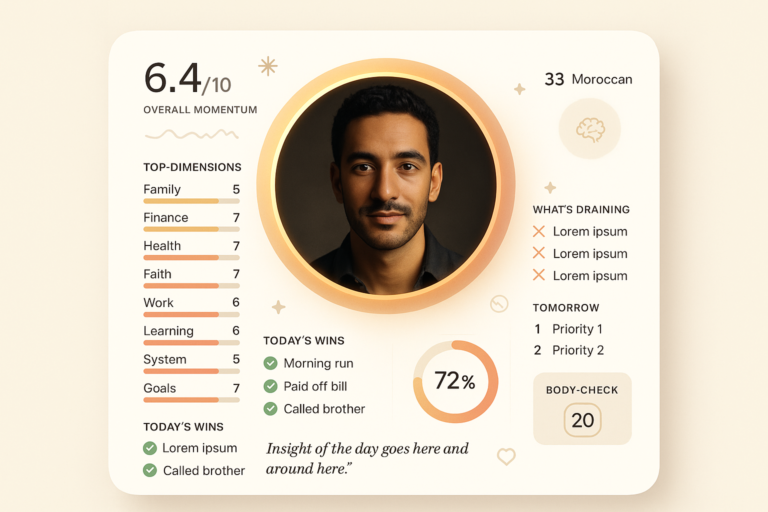
7.2 out of 10. Reflective. That’s the score the Life OS dashboard handed back this evening, and I spent a solid fifteen minutes staring at it trying to figure out if I should be satisfied or concerned.
The breakdown is what makes it interesting: faith hit 9 (Shabbat honored, tefillin done, no tech violations, rest actually respected), health landed at 7 (7.3 hours sleep, resting HR at 44, single 850m swim at HR 108—decent recovery numbers), family held at 7 (morning dance with Lior, one real question for Daphna, but no date-night signal), finance also at 7 (portfolio up $341 on AVGO’s pop, budget check habit clean, no red flags). But work flatlined at 5 (weekend, no penalty, but no bonus output either), learning went dark at 6 (no books, no Blinkist, habit unchecked), system dropped to 5 (automation was parked), and goals hung at 7.
So here’s what actually happened: I built a day where the parts of life that matter most—faith, family, health, money—all showed up. But the parts that compound, that build capability, that move the needle forward—learning, systems, work output—they got treated like Sunday side dishes instead of daily staples.
Infrastructure Without Discipline
{}
The real story today isn’t the score. It’s what I noticed while looking at the logs.
The morning brief system ran flawlessly. Both portfolio snapshots compiled, analysis pulled through, voice note generated at 420KB—all firing by 3:06 AM. Daphna got her digest, I got mine, the automation I built actually *worked* without me pushing it. That’s the reward for setting up systems right: they run themselves on Sunday while you rest.
But then I pulled the evening audit and realized six key systems didn’t run today. ScreenPipe threw HTTP 400 errors (no time-tracking visibility), voice uploads failed twice (lost async intel), Asana hasn’t synced since May 23rd (four days stale), and half my automation cron jobs went dark. I have excellent infrastructure but mediocre discipline about *maintaining* it. I built these systems to give me better visibility into my actual life. Then I just… stopped looking.
That’s the tension. Shabbat is sacred—I don’t work, I don’t check Asana, I don’t optimize. That’s right and good. But the cost is that on Monday morning I’m going to wake up blind to what actually happened all week. My own time-tracking is offline. My task queue is a four-day ghost. The automations I depend on are sitting idle.
So the 6.8 isn’t actually reflective. It’s *actually* the score of someone who honored the things that matter (faith, family, rest) but then didn’t do the basic maintenance work to stay current with the things that move.

What Needs to Happen Monday
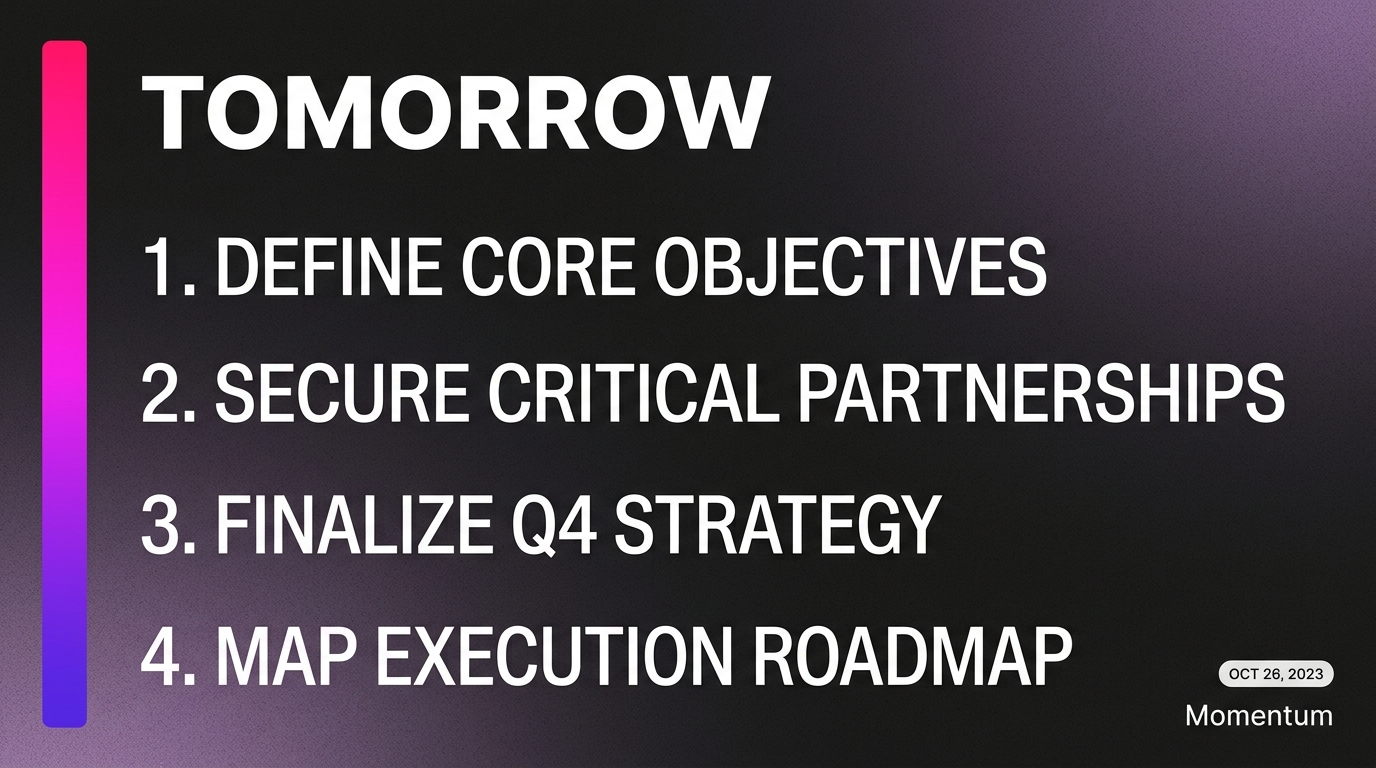
Three things, yalla:
Fix the voice pipeline. Both Litterbox and 0x0.st are failing on uploads. I need a reliable fallback or a different host entirely. This is blocking async intelligence capture, which means I’m losing the ambient decision-data I was counting on.
Sync Asana and triage the bleed. 98 incomplete Weekly Priorities, 3 overdue tasks in Skilled Hunters, 211 incomplete in Marketing. The data is stale. I need fresh numbers and a real plan to move them, not just see them.
Resurrect ScreenPipe and diagnose cron health. Six systems didn’t run. That’s not a Sunday luxury—that’s a broken feedback loop. Without time-tracking visibility I’m flying blind. Without working crons I’m manually managing what should be automated.
The hard part isn’t building systems. It’s maintaining them while honoring rest. It’s having the discipline to keep the infrastructure current even when you’re supposed to be offline. Monday is the reset. The question is whether I actually reset it or just let it drift another week.
What score would you give a day where everything that matters is solid but everything that compounds is parked? That’s today. And I think that’s the real question worth asking.
{}