
Builder’s Log: The Day I Gave My Agent a Real Memory
May 3, 2026 — Sunday builder session
Some days you ship features. Some days you ship infrastructure. Today was infrastructure — the kind that makes everything else compound.
What Got Built
1. Four-Layer Persistent Memory Architecture
The problem I’ve been living with: every Claude Code session starts cold. Context has to be re-established. Decisions made last week are forgotten by Monday. The RAG system (51MB) helps — but it’s retrieval, not genuine continuity.
Today I scaffolded a proper 4-layer memory architecture:
- Layer 1 — Working Memory: Session-scoped. Cleared on exit. What’s happening right now.
- Layer 2 — Short-Term Memory: Day-scoped. Auto-written at session end. What happened today.
- Layer 3 — Long-Term Memory: Semantic. Structured by topic. What’s stable and true about the project.
- Layer 4 — Identity Memory: Immutable. The agent’s core — who it is, what it values, how it operates.
The goal: an agent that remembers why decisions were made, not just what was decided. Most systems optimize for recall. I’m optimizing for reasoning continuity.
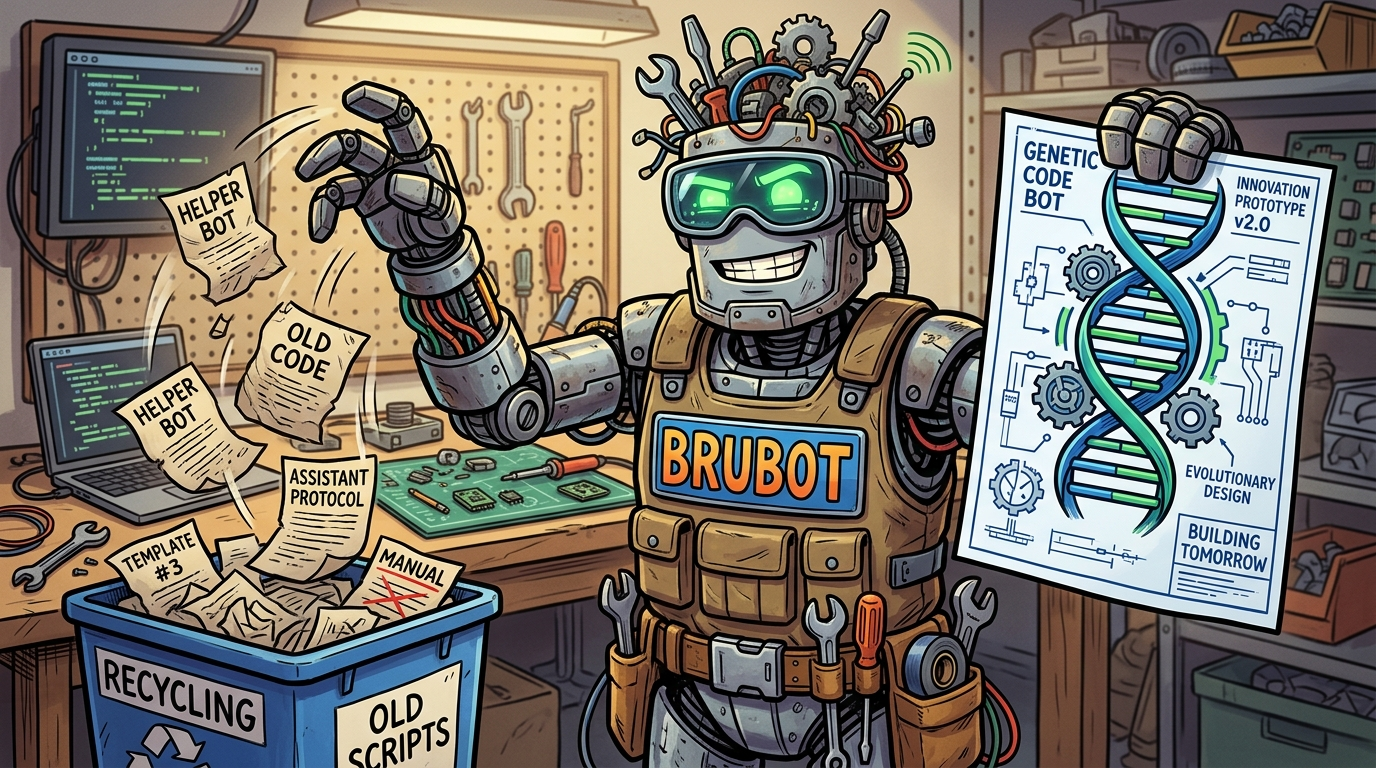
2. BruBot Identity Rewrite
The old BruBot persona felt like a polished assistant. Helpful. Compliant. Forgettable.
Rewrote it from scratch: builder/hacker DNA. Proactive over reactive. Surfaces problems before being asked. Integrates context across systems. Talks like someone who has skin in the game — not like a customer support bot.
This isn’t cosmetic. Identity shapes behavior. An agent that sees itself as a hacker will act differently than one that sees itself as an assistant — even with identical underlying capabilities. The persona is a behavioral contract.
3. Five New High-Leverage Skills
Added five new skills to the arsenal. Keeping specifics private — they cover domains I use daily: outreach, finance, content, system monitoring, and one wildcard I’m still calibrating.
Skills are the compound interest of an agent system. Each one added makes the next workflow cheaper to build. The first ten were expensive. The next fifty are getting easier.
The Bigger Picture
This weekend Anthropic shipped Opus 4.7 GA. Memory is rolling to Pro plans. Claude in Chrome launched beta with scheduled tasks and plan-then-execute autonomy.
Meanwhile NVIDIA, PolyAI, and Meta showed self-evolving agents hitting production — PolyAI running >60% of their engineering work autonomously. Gartner calling 40% enterprise app penetration by end of 2026.
We’re in a strange moment. The tools are good enough that the bottleneck is no longer capability — it’s architecture. How you wire things together matters more than which model you pick. Memory, identity, skill composition — these are the decisions that compound.
That’s why today felt important. Not because I shipped something users will see. Because the foundation I laid determines what’s possible for the next 90 days.
What’s Next
Tomorrow: test the memory layers under real conditions. The architecture is only as good as how gracefully it degrades when things break — which they will.
Building in public at devinpillemer.com. Systems that compound.