6.2 and Blind: When Your Systems Fail, You Learn What You Actually Built
6.2 and Blind: When Your Systems Fail, You Learn What You Actually Built
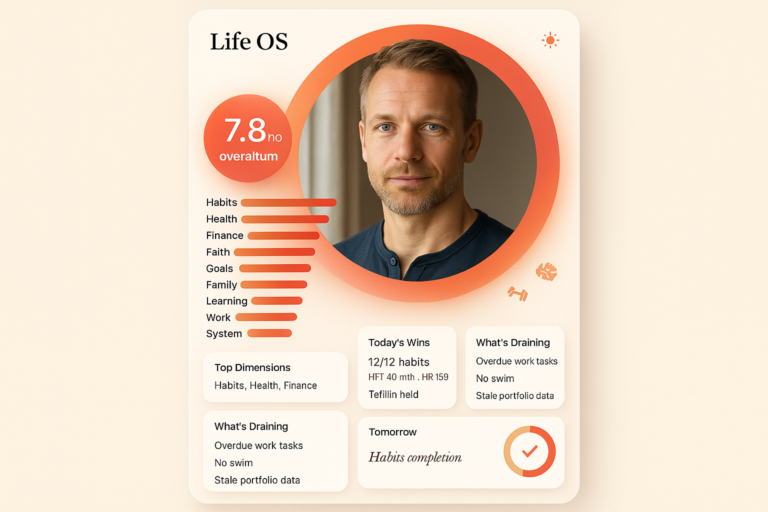
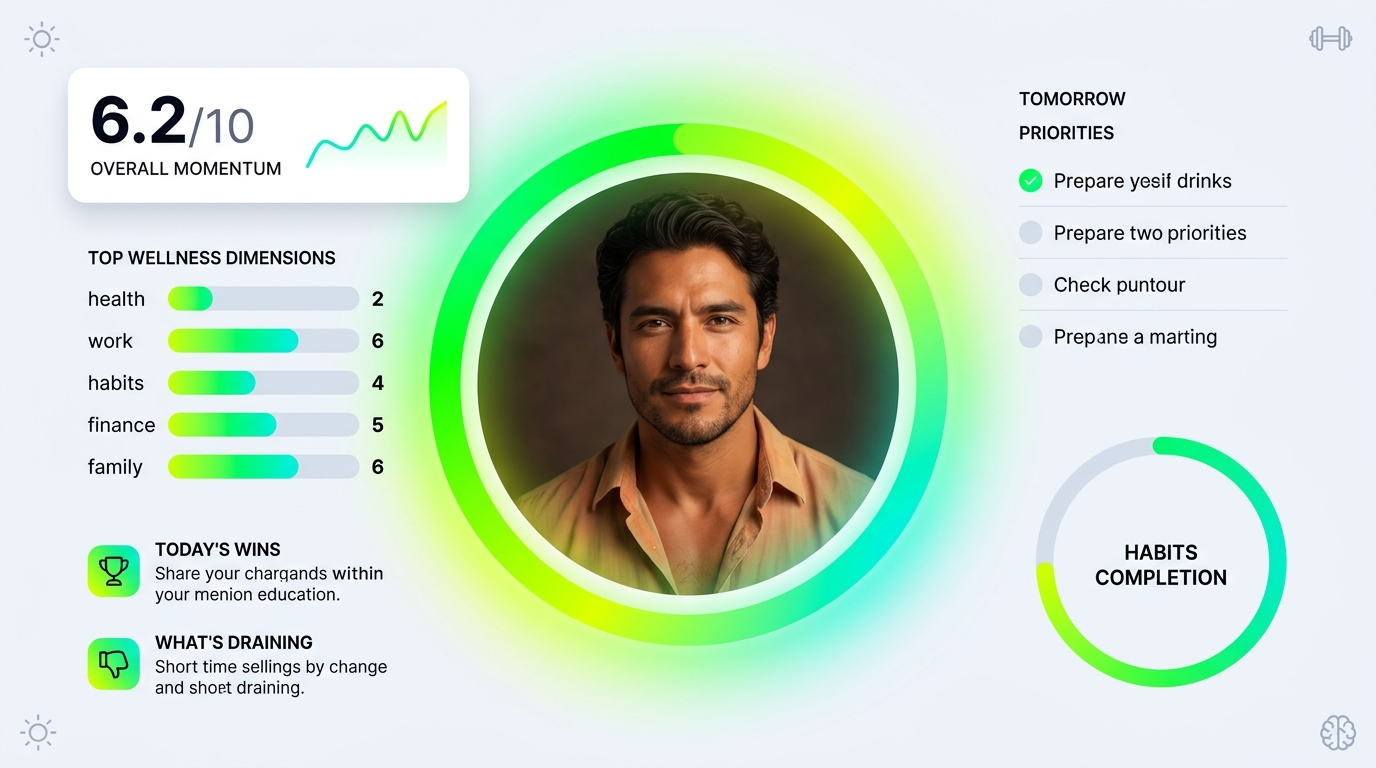
Thursday, June 4, 2026. Life OS score: 6.2/10. Mood: resolute. Most of my automation stack went dark today, and I spent the whole afternoon staring at the gaps where data should have been.
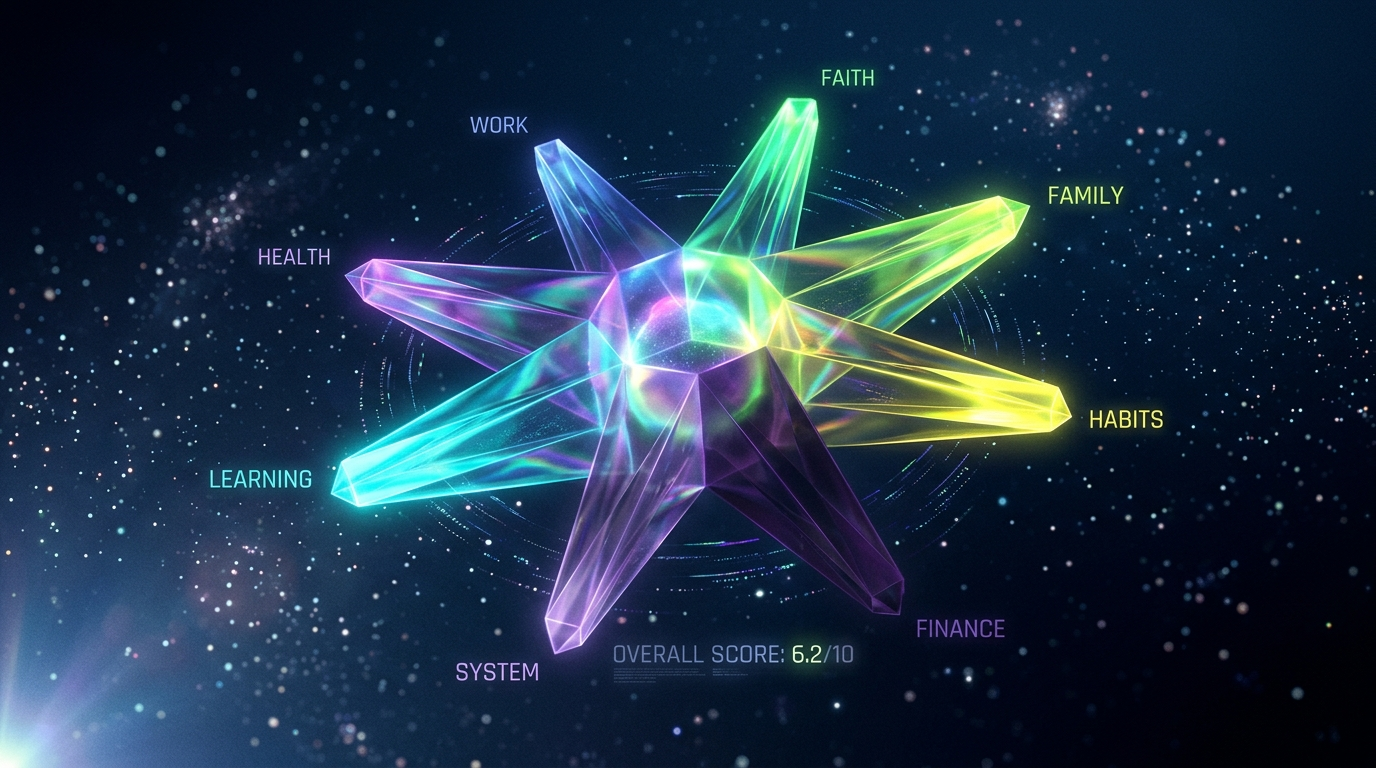
Let me be direct: when the score is 6.2, you don’t get to pretend the day was fine. The numbers tell you something. Faith scored 7—that held. Work scored 6—acceptable. But health was 2. Habits were 4. System reliability dropped to 4. Those aren’t rounding errors. Those are tells.
The Morning That Worked, The Afternoon That Didn’t
The morning brief system fired cleanly. Portfolio analysis landed. Investment reading stacked in my lap: data centers, NVIDIA capex doubling down, the AI infrastructure-to-revenue gap widening. That last one stuck. We’re in a moment where the entire industry is pouring billions into compute and training infrastructure, but the revenue multiples haven’t caught up yet. That tension feels real and worth thinking about. I was absorbing, not scrolling. That matters.
Then systems went dark.
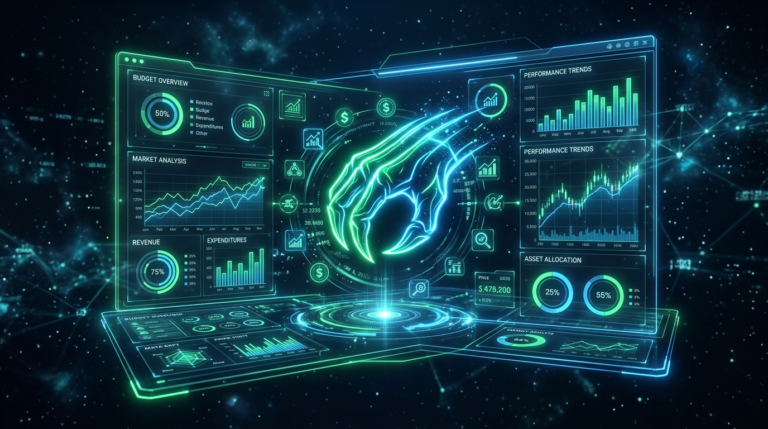
Morning Email, Evening Brief, ScreenPipe Brief, Blog Generator, Budget Updater—all no-shows. No visibility into portfolio drift. No screen-time data. No automated task-completion logging. It’s like flying an airplane and having half your instruments go black mid-flight. You can land, sure. But you’re guessing on altitude.
The honest thing: I didn’t escalate it. I didn’t manually compensate. I just… kept going. Opened Asana. Looked at incomplete tasks (Skilled Hunters showing 8/8 unfinished, which tracks—that’s development work). Checked in on nothing. Shipped nothing I can verify. Took a morning HIIT session. No evening swim. Health score of 2 makes sense now.
What This Day Actually Revealed
The lesson isn’t “my systems are fragile.” The lesson is: I’m too dependent on invisible infrastructure, and when it breaks, I lose situational awareness faster than I lose productivity.
Without ScreenPipe, I can’t tell you where my 8 hours went. Without the Evening Brief, I can’t see what moved in my portfolio. Without budget automation, I’m flying blind on cash burn. And I have no record—no real record—of what work actually shipped today. “I think I was productive” is not the standard I hold myself to. But that’s where I landed.
This is a builder’s problem, not a sales problem. Sales is a real-time game—you know if you closed or you didn’t. But when you’re running a personal operating system, you depend on your own telemetry. And when the pipes break, you realize how much of your intentionality is automated.
That’s not a weakness. That’s information. Good systems are supposed to make you more aware, more responsive, more intentional. When they fail, you should notice immediately and fix. I noticed late. I didn’t fix.
The One Thing That Stayed High
Faith scored 7. That’s the thing that surprised me. No major family time today—Daphna and Lior were in their own rhythm, and I was heads-down. But I checked my tefillin this morning. I read Leviticus notes during the afternoon. I sat with the capex question for long enough that it became a real thinking session, not just information consumption. That’s worth noting because it’s easy for faith to flatline when you’re grinding on work and systems.
Work scored 6 because I contributed to the narrative. I absorbed thesis-level thinking about AI monetization. I thought about where my company fits in the infrastructure play. I didn’t close deals today, but I built understanding. That compounds slower than a closed deal, but it compounds.
Tomorrow’s Fix
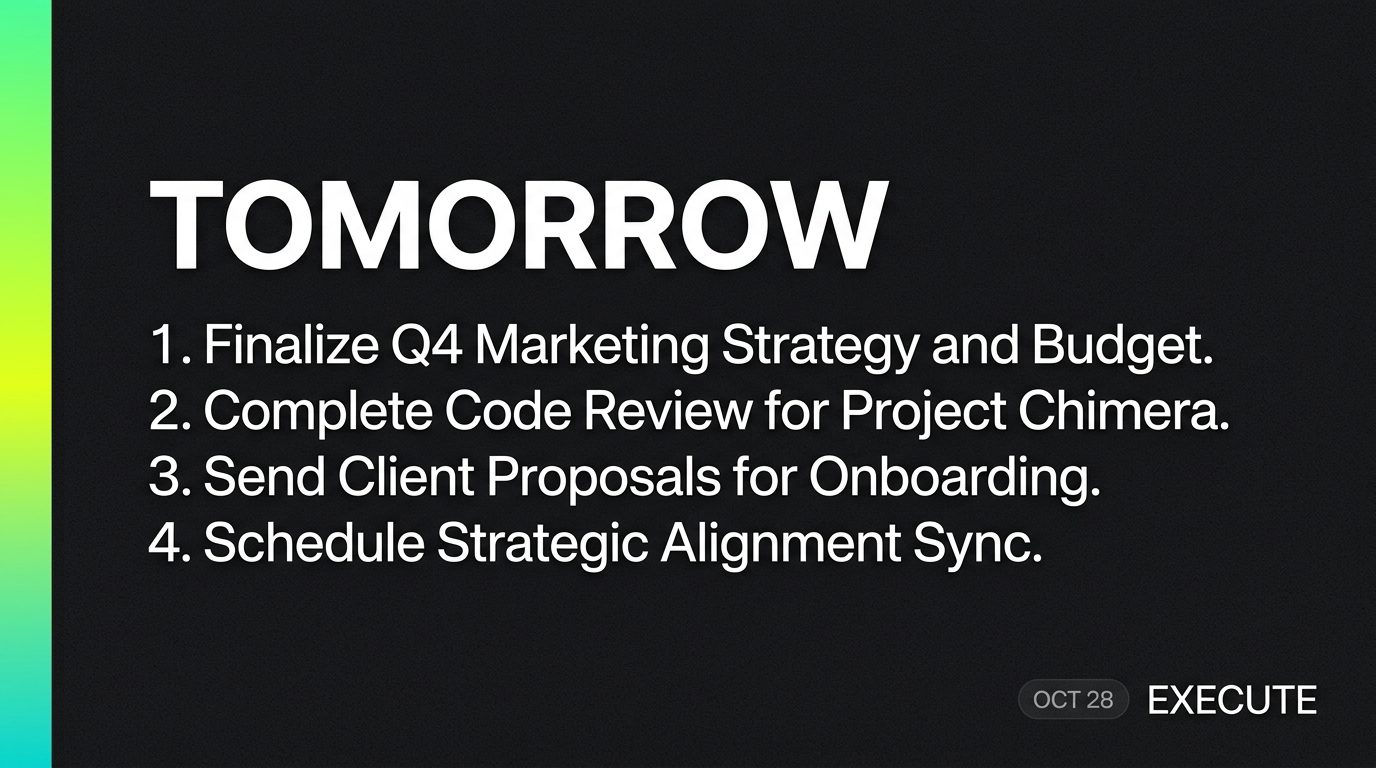
I’m going to audit every broken cron script tomorrow morning. I’m going to either repair the integration pipeline or build manual fallbacks—real discipline when automation fails. I’m going to physically move twice (swim and weights). I’m going to close at least one Asana task and actually log it. And I’m going to finish synthesizing the capex thesis and share one actionable insight with the team.
The score will probably be higher tomorrow. But more importantly, I’ll have visibility into why.
That’s the real work of an intentional life: not perfect days. Days where you see what’s actually happening.