When Your Agents Need Their Own Meetings
I spent most of today building a system to coordinate my other automation systems. Claude handling email triage. Telegram bot managing task routing. Notion tracking everything. Each one works fine solo. Together they need a traffic controller.
The Meta-Automation Problem
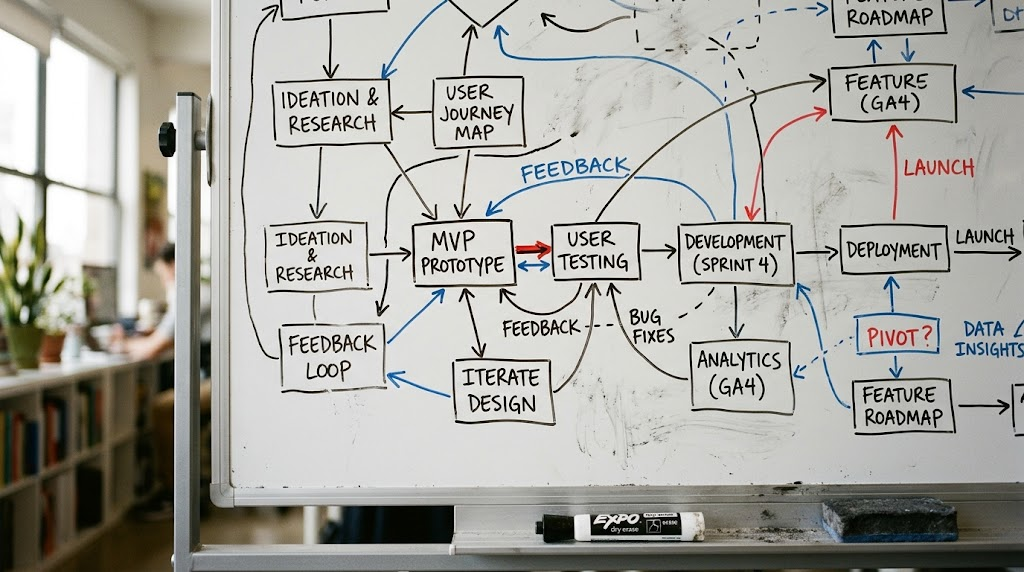
Here’s what broke: My morning email system (Claude-powered, runs at 6 AM) processes inbox overnight. Telegram bot handles urgent notifications. Another agent manages calendar coordination. They all touch the same data but don’t talk to each other.
Result: Interview got scheduled via email at 20:30 on April 8. Calendar bot didn’t see it. Telegram didn’t notify. I found it three hours later doing manual inbox review — exactly what I automated away.
The fix isn’t smarter agents. It’s a coordination layer. A daily sync where each agent reports state, flags conflicts, surfaces what needs human review. Meta-automation. Your bots need standups too.
What Daily Cross-Agent Coordination Actually Means
I’m building this in Claude Code. Simple architecture: Each agent writes a daily summary to a shared Notion database. Python script runs at 7 AM (after email processing, before my workday). Reads all summaries. Checks for overlaps — same email handled twice, calendar conflicts, duplicate notifications.
Outputs a single digest. What each system did. What needs attention. What failed. Gets dropped in Telegram with action buttons.
The hard part isn’t the code. It’s deciding what constitutes a ‘conflict’ worth surfacing. If Claude archives an email and Telegram notifies about it, is that redundant or useful redundancy? Still figuring out the heuristics.
Context Switching is the Real Cost
The screen activity doesn’t lie. Gmail → Claude Code → Telegram → Gmail → Instagram → back to Claude. I built these systems to reduce context switching. Now I’m context switching between the systems themselves.
Case study: The Claw Add-on billing issue. Got charged for something I didn’t add. Required customer service email. Should’ve been a 2-minute task. Instead: Check Gmail. Verify in subscription settings. Draft response in Claude Chat (because I template all external comms there). Copy to Gmail. Send. Five contexts for one email.
The automation creates overhead. Each tool has its own interface, its own state, its own ‘did I check this yet’ mental slot. You need fewer, better-coordinated tools or a single pane of glass. I’m building toward the latter.
The Interview Scheduling Tell
Interview coordination exposed the coordination gap. Email came in. I responded with preferred dates. Got confirmation for April 8, 20:30. All handled in Gmail.
My calendar automation? Missed it entirely. Because it only watches for calendar invites, not plain-text confirmations. The email triage agent? Archived it as ‘handled’ without flagging it for calendar entry.
Manual intervention required. Exactly what I’m trying to eliminate. The cross-agent system would catch this: email agent reports ‘scheduled interview,’ calendar agent reports ‘no new event,’ coordination layer flags mismatch.
Lessons Learned
- Automation compounds coordination costs — Each new agent reduces manual work but increases inter-system management. The coordination layer itself becomes a product you have to build and maintain.
- State synchronization is harder than task automation — Getting Claude to process emails is easy. Making sure every system knows an email was processed is the real problem. Shared state needs active management.
- Context switching metrics matter more than task completion — I can automate 80% of tasks and still spend the same mental energy if I’m checking five different systems to verify the automation worked.
What I’d Do Differently
- Build the coordination layer first, not the agents — traffic controller before specialized workers. Don’t retrofit coordination onto systems designed to operate independently.
- Track context switches as a primary metric from day one — not just ‘tasks automated’, but ‘number of interfaces I touched today.’ That number should go down as automation matures.
- Watch the signal — if interfaces touched goes up while automation improves, something is wrong. That’s the flag I missed for too long.
TL;DR: Built a system to coordinate my AI agents after realizing they don’t talk to each other. Email triage, calendar management, and notifications all work independently but create coordination gaps. The meta-automation layer — where bots report to a central sync — is now the critical path.