Systems Running, Brain Offline: Why Sunday’s Automation Win Felt Like a Loss
The Paradox of a Successful Sunday
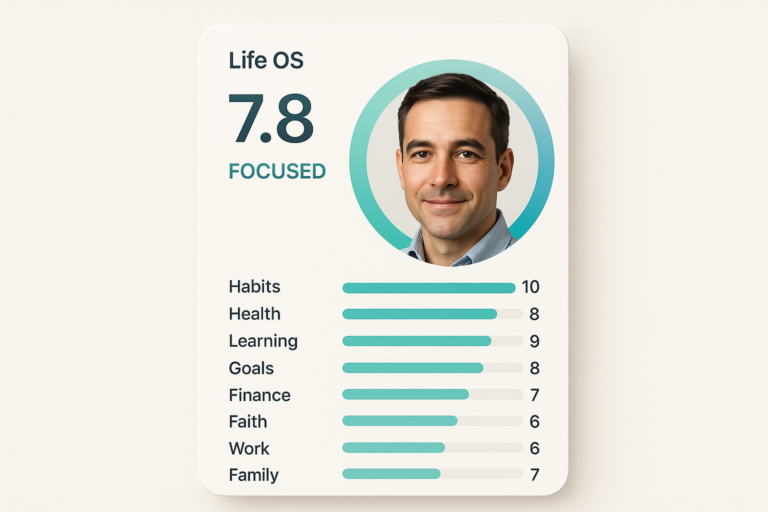
Today was a 4.6/10, and I need to sit with that uncomfortable fact because on paper it should have been a 7. All three morning briefs went out clean. Portfolio snapshot fired without drama. Asana brief, news intel, evening automation—all green lights. The systems I’ve spent months building are running while I sleep, which is supposedly the whole point. Yet I spent today feeling like I was drowning in data I wasn’t actually using.
The wins are real: MSFT up 4.1%, TSM holding steady, news pipeline executed flawlessly, 126 Skilled Hunters tasks tracked, 214 Marketing items logged. This is the leverage I built the agent stack to achieve. But here’s the thing nobody tells you about automation: successful execution without strategic thinking is just expensive busywork.
Five Systems Failed Silently, and I Didn’t Notice Until Evening
This is the part that keeps me up at night.
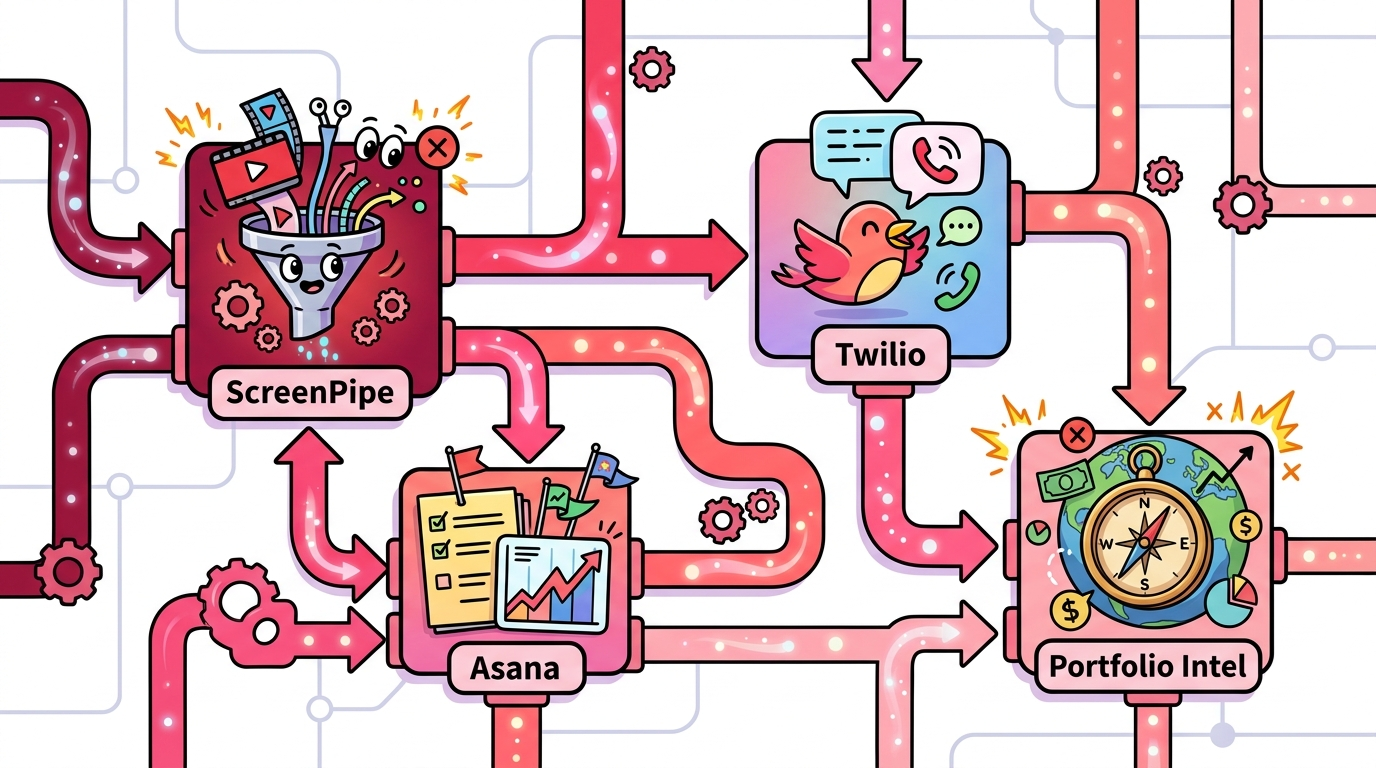
ScreenPipe Brief— no output, no error signalProactive AM— failed to triggerBlog Generator— ghostedBudget Updater— incompleteStrava sync— HTTP 400, no workout data
Tomer morning brief errored. Twilio started choking on sends with code 20003 failures. Three people on my team didn’t get information they probably needed because my gateway decided to fail quietly. I pride myself on clean data pipelines. Today I failed that standard.
The worst part? I didn’t catch it until I sat down to journal. I consumed the briefs that *did* work, checked portfolio movements, nodded at task counts, and moved on with my day. I was acting like a consumer of my own systems instead of their architect. That’s sloppy leadership.
{
}
What I Should Have Done Instead
Sunday was supposed to be reflection day. Instead, it became a case study in what happens when you build leverage but skip the thinking part.
Leopold’s recursion thesis is about machines that improve machines. But that improvement requires human judgment at key intervals. You can’t just let the system run and assume it’s working. You have to interrogate the output, catch the silent failures, and actually *decide* what matters from the signal. Today I collected signals and ignored them.
What actually needs to happen this week:
- Debug Twilio code 20003 errors. This is a blocker. No team communication means no flywheel.
- Diagnose ScreenPipe Brief outage. If I can’t track my own activity, I can’t coach my team on discipline or spot my own blindspots.
- Ruthlessly audit those 214 incomplete Marketing tasks. Task count is theater. I need to know which 5 actually matter and kill the rest.
And I need to schedule this work, not just fit it in. Because “I’ll get to it” is how debt compounds.
The Real Question
I have systems running while I sleep. Most of them are working. The portfolio intel is clean, the briefs go out on time, the automations execute. By most measures, this is a win.
But if I’m not actually *thinking* about what the systems are telling me—if I’m just consuming dashboards and moving to the next thing—am I building leverage or just building complexity? At what point does a well-oiled machine become an elaborate way to avoid making decisions?
Tomorrow I need to be a builder, not a consumer. Yalla.